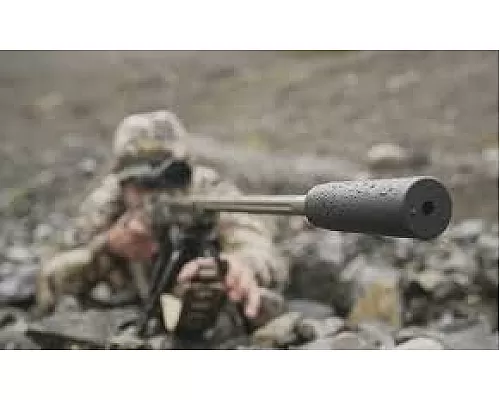
Suppressors are no longer just “tactical accessories” or novelties — they’re rapidly becoming standard tools in civilian, hunting, and range-use builds. As of mid-2025, the U.S. suppressor market is experiencing strong demand, driven by hunters gaining legal permissions, growing awareness of hearing protection, and improvements in ATF processing times.
This post breaks down what calibers are performing best when suppressed — .338 ARC, .300 Blackout, 5.56 NATO, and 8.6 Blackout — and how we nail our AR-uppers and complete builds for maximum suppressed performance.
Why Suppressed Shooting is Trending
-
Legal changes: More states (42+) now allow suppressors for hunting, up from about 28 a decade ago.
-
Speed of approval: The ATF has reduced wait times on suppressor tax-stamp approvals in many places, encouraging purchase.
-
Hearing awareness: Shooters, hunters, and ranges are prioritizing hearing protection. Suppressors reduce muzzle blast, concussion, and noise exposure.
-
Technological improvements: Lighter materials, improved designs, better gas systems. Also, market growth forecasts show suppressor sector growing at 5-8%+ CAGR.
Suppressed Caliber Comparison
Here are how the four calibers stack up when suppressed, along with their pros, cons, ideal use-cases, and what Moriarti is doing especially well.
| Caliber | Subsonic / Supersonic Options | Sound Reduction & Muzzle Blast | Energy Retention (with Suppressor) | Best Barrel Length (Suppressed) | Ideal Use Cases |
|---|---|---|---|---|---|
| .300 Blackout (AR-15) | Strong subsonic loads (220-250gr), supersonic options | Excellent; far quieter in subsonic mode, tolerable in supersonic | Subsonic: moderate drop; Supersonic: retains good energy to ~300 yds | 8-10.5" gives good balance of compactness and velocity | Home defense, hog hunting, suppressed range training |
| 5.56 NATO | Mostly supersonic; no practical subsonic hunting loads with high performance | Less quiet than big bore rounds; blast and concussive effects need managing (gas block tuning, proper brake) | Good energy retention, especially past 16" barrel; suppressor helps reduce perceived noise | 11.5-14.5" for carbine; 16" for balance | General purpose, training, defense where supersonic is acceptable |
| .338 ARC (AR-10) | Primarily supersonic; some potential for heavy subsonic loads (very new) | Loud when supersonic, but suppressed setups + long barrel help; more blast than lighter rounds | High energy retention at extended range — excels past 500 yards | 14-18" with suppressed barrel threading and good gas system design | Big-game hunting, long-range precision, suppressed rifle applications |
| 8.6 Blackout (AR-10 big bore) | Good subsonic potential (heavy bullets), solid supersonic performance | Quieter with heavy subsonic bullets; loud supersonic, requiring rugged suppressor builds | Massive energy on target; good performance over shorter supersonic ranges before drop steeper than 338 ARC | 12-16" to preserve energy while keeping barrel manageable | Large game (elk, bear), hunting in woods/brush, suppressed big-bore setups |
What Moriarti Gets Right
Here’s how Moriarti is excelling in the suppressed caliber game:
-
Thread-ready barrels & suppressor-compatible muzzle devices: Many of Moriarti’s uppers come with threading (e.g., 5/8x24, etc.) or are designed for easy conversion. That matters when building a suppressed rifle.
-
Premium materials: 4150 CMV, stainless steel, high-quality twist rates to stabilize heavier bullets (e.g., for 300 BLK heavy, 8.6 Blackout).
-
Barrel lengths tuned for suppression: Offering barrel lengths that optimize suppressed performance (not just maximum velocity) — shorter barrels for BLK rounds, longer for 338 ARC, etc.
-
Modular platform designs: Allow switching uppers, braces/stocks, handguards to accommodate suppressors without dramatically altering rifle balance.
Deep Dive: .300 Blackout vs .338 ARC Suppressed
To illustrate, here’s a more detailed comparison of .300 BLK vs .338 ARC when suppressed:
| Metric | .300 BLK (Subsonic 220-250gr) | .338 ARC (200-225gr Supersonic) |
|---|---|---|
| Muzzle energy | Relatively low (~300-400 ft-lbs) but sufficient for close/brush game | Very high (often >2,000 ft-lbs), much more energy at distance |
| Sound signature | Very quiet; often drops sub-130 dB with good suppressor | Loud, even suppressed, but suppressed effect better with long barrel + quality can |
| Use with short barrel | Excellent (8-10.5"); retains performance in urban/brush work | Needs decent barrel length (14-18") to max out energy and ammo potential |
| Ammo cost and availability | Widely available; many reloading / aftermarket supports | Premium ammo; fewer options; heavier bullets cost more |
Moriarti’s .300 BLK uppers make small barrel suppressor builds easy. Their .338 ARC line gives big game hunters performance in AR-10 builds with tolerable compromise when suppressed.
Tips to Maximize Suppressed Performance
If you're building or buying a suppressed AR-platform rifle in any of these calibers, here’s what to optimize:
-
Use suppressor-rated, properly threaded muzzle devices
Don’t skimp on thread quality or locking mechanism — suppressors magnify any misalignments or manufacturing defects. -
Gas system tuning
Suppressors increase back pressure. Adjustable gas blocks or properly sized ports matter, especially for supersonic 5.56 or 8.6, or heavy subsonic 300 BLK. -
Barrel length trade-offs
Shorter barrels shorten the distance the bullet is in flight (less velocity), but make rifle more compact. For heavy bore calibers (.338, 8.6), choose a barrel long enough (14-18") so you don’t lose too much energy. -
Bullet selection
Subsonic bullets (especially heavy ones) help reduce noise dramatically. Supersonic bullets will always have sonic crack. Match bullet weight/twist that your suppressor, barrel, and platform can handle well. -
Material & weight
Lightweight materials in suppressor and barrel reduce front-end weight. Moriarti’s slim-profile handguards pair well with heavier calibers to balance out weight.
Suppressor Market & Legal Context
-
The suppressor market size is expected to nearly double by 2032, with estimates of ~$1.7 billion globally.
-
Inventory is tight: suppressor inventory is reported to be down ~35% year over year despite strong sales.
-
More states are passing or updating laws to explicitly allow suppressors for hunting. That’s lowering barriers for many customers.
This means the demand for suppressed caliber combinations will keep increasing, and those who offer both products and guidance are well-positioned.
Which Suppressed Caliber Should You Pick?
Here are recommendations by shooter profile:
| Shooter Type | Best Caliber(s) | Suggested Upper/Build |
|---|---|---|
| Home Defense / CQB | .300 Blackout subsonic or suppressed 5.56 in shorter barrel (10-12.5”) | Moriarti AR-15 .300 BLK short pistol-upper with SBA-brace + suppressor ready thread |
| Hog / Brush Hunting | .300 BLK supersonic or 5.56 (if legal in your state) | 8-10.5” .300 BLK or 11.5” 5.56 upper with suppressor thread |
| Long-Range Big Game | .338 ARC or 8.6 Blackout | 14-18” AR-10 upper with heavy bullets, quality suppressor, good muzzle device |
| Versatile / Multi-Use | 5.56 NATO (supersonic) + .300 Blackout | Two uppers, maybe one 16” 5.56 + one short BLK suppressor build |
Conclusion
Suppressors are here to stay, and the calibers that pair best with them depend on what you shoot, how far you shoot, and how quiet you need to be. In 2025, .300 Blackout remains the go-to for stealth and brush/hog work. .338 ARC and 8.6 Blackout dominate when you need power and range. 5.56 still holds value for general purpose and training, especially where laws and ammo availability support it.
With Moriarti Armaments’ growing selection of suppressor-compatible uppers, premium barrels, and multiple caliber options, you can build a suppressed AR that fits your mission — whether it’s hunting, home defense, or just a better day at the range.